Book Now ✉




Windshield damage in Toronto can happen to any driver — road debris, highway driving, and swinging seasonal temperatures all take a toll on glass. A small chip may look cosmetic, but it can quickly widen into a crack that compromises safety and turns a $60 repair into an $800 replacement. This guide walks new drivers through damage types, the repair-vs-replace decision, Ontario insurance, and why modern windshields need more than just glass and glue.
Because a windshield is a structural safety component, not just a barrier against wind and rain — the NHTSA notes that windows and windshields directly support safe driving visibility, and small damage left unrepaired can spread and weaken the glass.
Getting your first vehicle comes with responsibilities beyond learning the rules of the road. One of the most common — and most overlooked — is windshield damage. Picture this: you’re on the highway, you hear a sharp tap against the glass, and you pull over to find a small chip near the centre of the windshield. It’s tempting to file it under “cosmetic” and forget about it.
But temperature changes, road vibration, and daily driving stress can turn that chip into a spreading crack over weeks or days. Your windshield also bonds to the vehicle’s frame and contributes to structural rigidity in a collision — it is doing more work than it looks like.
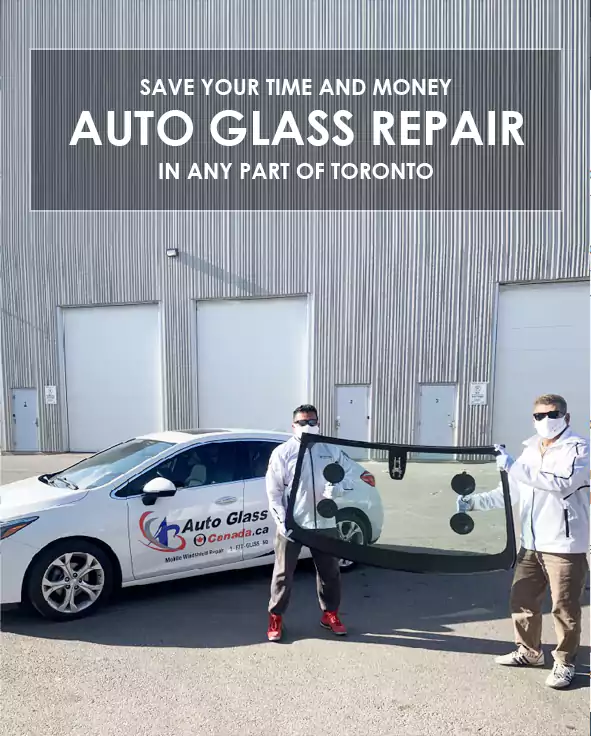
Auto Glass Canada has provided certified windshield repair and replacement across the Greater Toronto Area since 2001, helping new drivers move from a small chip to a confident, safe repair decision.
The four most common forms are chips, bullseye cracks, star breaks, and edge cracks — each behaves differently, and edge cracks spread fastest because of stress at the glass perimeter.
Windshield chip: The most common damage — a small rock or road debris strikes the glass. Looks minor, but weakens the surface so cracks can begin.
Bullseye crack: A circular impact point with damage radiating evenly around the centre, resembling a target.
Star break: Several small cracks extend outward from one impact point, forming a star-shaped pattern.
Edge crack: Starts near the outer edge of the windshield, where extra stress makes it spread the fastest.
Inspecting your windshield regularly helps you catch damage while it’s still a repair, not a replacement. The National Windshield Repair Association (NWRA) publishes industry guidance on evaluating glass damage properly.
Temperature swings, road vibration, and glass stress cause small chips to widen into cracks — Toronto’s winter freeze-thaw cycle and summer heat both accelerate this.
During winter, freezing temperatures cause glass to contract; in summer, direct sunlight adds heat stress around already-damaged areas. A chip that sat unchanged for weeks can suddenly spread after one pothole, one blast of the defroster, or one sharp temperature drop.
Ignoring the damage also creates a visibility risk — a crack that grows across your line of sight makes driving harder, especially in rain, snow, or at night. Getting an early inspection tells you whether a simple resin repair will solve it, or whether replacement is the safer route.
Repair usually works for small chips and cracks outside the driver’s critical viewing area; replacement is safer for large cracks, edge damage, multiple cracks, or anything that compromises structural strength.
A professional technician checks the size of the damage, its location, whether it’s actively spreading, whether it affects your view, and the condition of the surrounding glass before recommending a solution.
The chip or crack is small
Damage sits outside the driver’s direct sightline
The surrounding glass is stable
A resin fill can restore structural strength
The crack is large
Damage reaches the edge of the windshield
Multiple cracks are present
The windshield’s structure is affected
Auto Glass Canada provides professional windshield repair services to help Toronto drivers choose the right solution for their vehicle.
Inspect it safely, avoid making it worse, and contact a certified auto glass technician — quickly, since driving conditions can spread the damage.
Inspect the damage safely
Check the size and location once your vehicle is parked. Take a photo so you can monitor whether it changes over time.
Avoid making it worse
Don’t press on the damaged area or try to remove glass pieces. Sudden temperature changes, vibration, or new impacts can make a crack spread.
Contact a professional technician
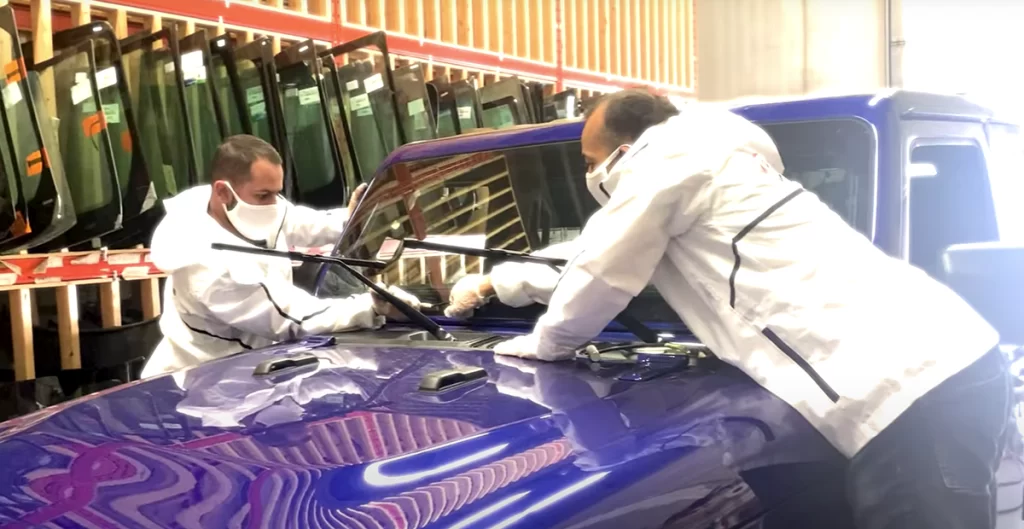
A trained technician inspects the glass and recommends repair or replacement. Many Toronto drivers choose mobile auto glass service so the work happens at home, at the office, or wherever is convenient.
It depends on your policy — many Ontario drivers have glass coverage through comprehensive insurance, but the deductible and claim impact vary by provider.
Before starting any repair, confirm with your insurance provider what coverage applies. New drivers should specifically review:
The Financial Services Regulatory Authority of Ontario (FSRA) publishes consumer information on how Ontario’s auto insurance system works. Auto Glass Canada also offers direct insurance billing for eligible customers, which simplifies the process considerably.
Many safety features rely on cameras and sensors mounted near the windshield, so replacement often requires ADAS recalibration to keep those systems working correctly.
Modern driver-assistance features are increasingly tied to windshield-mounted sensors:
The NHTSA’s overview of driver assistance technologies explains how these systems use cameras and sensors to support safer driving — which is exactly why replacement isn’t just a glass swap. Auto Glass Canada’s technicians provide windshield replacement alongside ADAS-related recalibration for modern vehicles across the GTA.
Keep distance from other vehicles, avoid sudden temperature shocks, inspect the glass regularly, and replace worn wipers.
Most windshield chips come from rocks thrown up by the vehicle ahead. Extra space reduces impact risk.
Never pour hot water on a frozen windshield — rapid temperature shifts add stress and can worsen existing damage.
Small chips are cheaper and easier to repair than large cracks. A quick glance can catch problems early.
Old or damaged wiper blades reduce visibility and can scratch the glass over time.
Small chips can quickly become larger cracks. Early inspection tells you whether repair or replacement is needed — and professional installation protects the safety features built into your windshield
Yes. Many small windshield chips can be repaired if they’re inspected early. Repairing minor damage helps prevent cracks from spreading and may reduce the need for a full windshield replacement.
As soon as possible. Weather changes, road vibration, and everyday driving conditions can cause small cracks to grow quickly.
It depends on the size and location of the crack. Damage that affects visibility or weakens the windshield’s structure is a safety concern and should be inspected by a professional technician.
Coverage depends on your specific policy and deductible. Many Ontario drivers have glass coverage through comprehensive insurance, but you should confirm the details directly with your provider.
It depends on the vehicle type, windshield design, and installation requirements. Many replacements finish within a few hours, followed by recommended curing time before driving.

Copyright © 2026 AutoGlassCanada All Rights Reserved. Design & SEO By VMWebs Enterprise Ltd